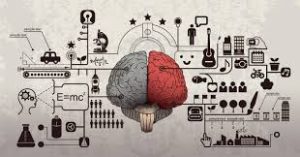

Artificial Intelligence has rapidly evolved from theory into a cornerstone of modern technology. Today, Artificial Intelligence applications span diverse sectors—enhancing productivity, improving safety, and enabling innovations once thought impossible. In this article, we explore major AI applications, real‑world examples, and how these technologies are shaping the future.
What Is Artificial Intelligence?
Artificial Intelligence (AI) refers to the simulation of human intelligence in machines. These systems can learn, reason, perceive, and even make decisions. At its core, AI uses algorithms, data processing, and computational power to accomplish tasks that once required human cognition.
AI in Healthcare
One of the most impactful areas for AI is healthcare. AI systems enhance disease detection, personalize treatment plans, and streamline administrative tasks.
Disease Diagnosis and Medical Imaging
AI models can analyze medical images with extraordinary accuracy. For example, convolutional neural networks (CNNs) help detect anomalies in X‑rays, MRIs, and CT scans. These systems often identify conditions earlier than traditional methods.
Predictive Analytics for Patient Care
AI also supports predictive analytics, where algorithms forecast disease progression or readmission risks. This helps hospitals allocate resources more efficiently and improves patient outcomes.
Personalized Medicine
With vast biological datasets, AI can tailor treatments to individual genetic profiles. This approach enhances effectiveness and minimizes side effects.
AI in Business Automation
Businesses are deploying AI to automate repetitive tasks, cut costs, and increase efficiency. Robotic process automation (RPA) and intelligent digital assistants are becoming ubiquitous.
Chatbots and Virtual Customer Support
Customer service has been transformed by AI chatbots. These bots handle inquiries 24/7, reduce wait times, and improve customer satisfaction.
Popular AI assistants powering these services include IBM Watson Assistant and Google Dialogflow.
Operational Optimization
AI also optimizes supply chains and workforce management. Predictive models forecast demand, identify bottlenecks, and recommend optimal production schedules.
Artificial Intelligence in Finance
The financial industry has been quick to adopt AI due to its potential to enhance security and profitability.
Fraud Detection
AI systems monitor transaction patterns and flag anomalies in real time. This reduces financial fraud and safeguards customer assets.
Algorithmic Trading
AI algorithms analyze market data at speeds far beyond human capability. They execute trades based on patterns and predictions, maximizing returns.
Personalized Banking Services
Banks use AI to deliver personalized financial advice. Virtual assistants guide customers on spending habits, savings, and investment opportunities.
AI in Education
Artificial Intelligence is reshaping how students learn and how educators teach.
Intelligent Tutoring Systems
AI tutoring systems adapt to each student’s learning pace. These platforms provide customized feedback and help students grasp complex concepts.
Administrative Assistance
Teachers and administrators use AI tools to automate grading and schedule planning, allowing them to focus more on student engagement.
AI in Transportation
Transportation is another transformative field for AI applications. From autonomous vehicles to traffic management, AI is driving safer, more efficient travel.
Autonomous Vehicles
Autonomous driving systems rely on advanced AI algorithms to perceive surroundings and make decisions. Vehicles use sensors, cameras, and machine learning to navigate real‑world conditions.
Key contributors in this field include Waymo and Tesla Autopilot.
Traffic Flow Optimization
AI helps city planners analyze traffic patterns to reduce congestion. Dynamic signal timing and smart routing improve both safety and commuter experience.
AI in Manufacturing
Manufacturers employ AI to streamline production processes and maintain quality standards.
Predictive Maintenance
AI predicts equipment failures before they occur. By analyzing sensor data, companies avoid costly downtime and improve safety.
Quality Control
Machine vision systems powered by AI inspect products with high precision. This reduces errors and enhances product reliability.
AI in Retail
Retailers increasingly rely on AI to understand customer behavior and improve sales.
Personalized Shopping Experiences
AI analyzes browsing history and purchase data to recommend personalized products. This increases customer satisfaction and boosts sales.
Inventory Management
Retailers use AI to predict demand and optimize inventory levels. Automated replenishment systems reduce waste and avoid stockouts.
AI in Agriculture
AI is driving innovation in farming, increasing yields while conserving resources.
Precision Agriculture
AI systems analyze soil conditions, weather patterns, and crop health. This enables precise irrigation and fertilizer application, reducing waste.
Autonomous Farm Equipment
AI‑powered equipment, such as self‑driving tractors and harvesters, increase efficiency and reduce manual labor.
AI in Entertainment
The entertainment industry has embraced AI in content creation, distribution, and recommendation.
Recommendation Engines
Streaming platforms use AI to suggest movies, music, or series based on user preferences. These systems improve engagement and viewer satisfaction.
Content Creation
AI tools assist in scriptwriting, video editing, and even music composition. While not replacing human creativity, they augment creative workflows.
AI in Environmental Conservation
Artificial Intelligence also plays a role in protecting the environment and combating climate change.
Wildlife Monitoring
AI‑enabled cameras and sensors monitor endangered species. Image recognition helps researchers study animal behavior without human intrusion.
Climate Modeling
AI enhances climate prediction models, providing more accurate forecasts for weather patterns and natural disasters.
AI in Cybersecurity
Cyber threats are becoming more sophisticated, and AI provides tools to stay ahead.
Threat Detection
AI systems continuously analyze network activity to identify suspicious behavior. These systems adapt to new threats faster than traditional security protocols.
Automated Response
When a threat is detected, AI can initiate protective measures automatically, minimizing damage and response time.
Ethical Considerations and Challenges
While AI presents immense opportunities, it also raises ethical concerns.
Bias and Fairness
AI algorithms trained on biased data may produce discriminatory outcomes. Ensuring fairness and transparency in AI systems is critical.
Privacy and Security
AI often requires large datasets, which raises privacy concerns. Organizations must enforce robust data protection policies.
Job Displacement
Automation can displace certain jobs, leading to workforce shifts. Reskilling and education are essential to help workers transition into new roles.
The Future of Artificial Intelligence Applications
The future of AI is vast and evolving. Emerging technologies like quantum computing and advanced neural networks will expand AI capabilities.
AI in Space Exploration
AI helps space agencies and private companies analyze astronomical data and plan missions. Autonomous robotic systems are crucial for space exploration.
AI and Internet of Things (IoT)
Integration of AI and IoT enables smarter homes, cities, and industries. Devices learn and adapt to human needs, creating more responsive environments.
Human‑Machine Collaboration
AI will not replace humans but rather augment human abilities. Collaborative systems will enhance decision‑making, creativity, and productivity.
Conclusion
Artificial Intelligence applications are transforming every aspect of society. From healthcare to transportation, finance to agriculture, AI delivers powerful insights and capabilities that drive innovation and efficiency. As technology advances, organizations and individuals must embrace AI responsibly—balancing innovation with ethical considerations and human values.